
The evolution of UK national heritage and scientific institutions demonstrates a structural shift in how collections are preserved, digitised and researched.
Historic, central London estates — while culturally iconic — were not designed for the environmental, technological and spatial demands of 21st-century collections science.
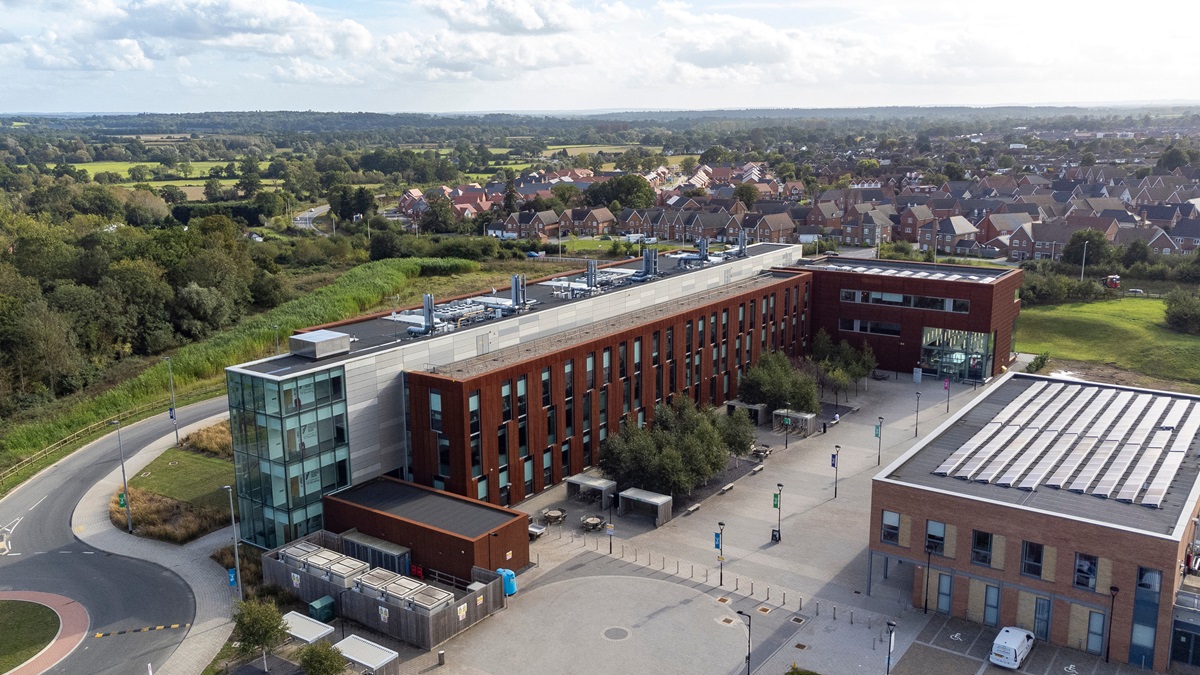
Thames Valley Science Park (TVSP), owned and developed by the University of Reading, has emerged as a strategic site for this next phase of institutional infrastructure.
This case study examines three major institutions whose TVSP projects collectivally position the park as a national collections and research hub:
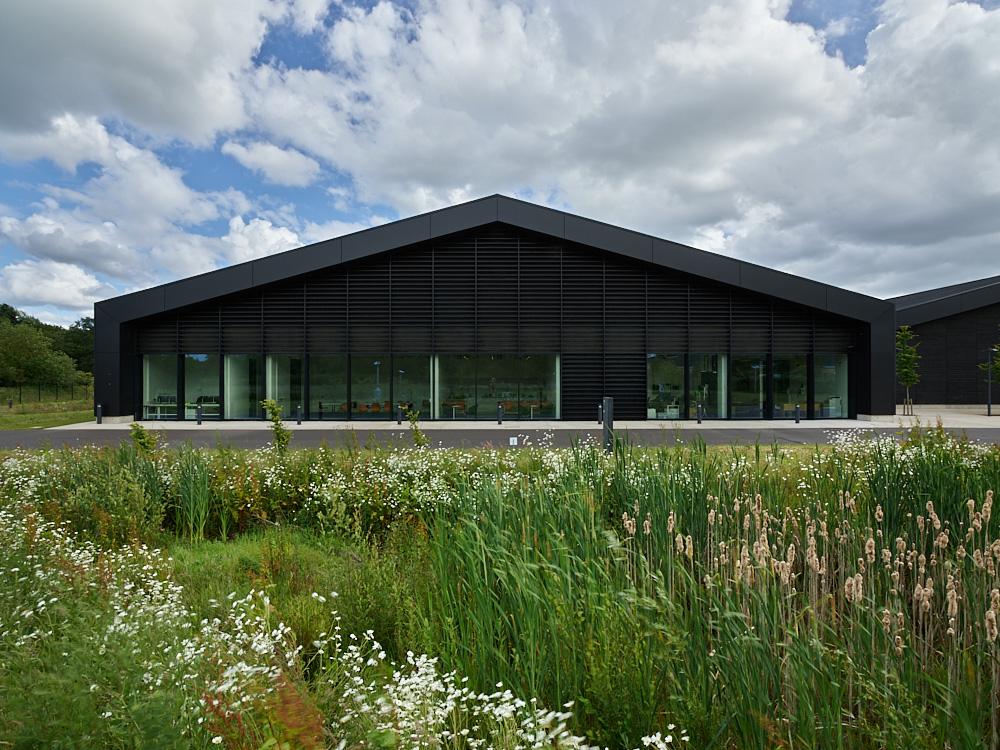
BM_ARC is a purpose-built collections, storage and research facility forming Phase 1 of the British Museum’s wider masterplan programme. It relocates large-scale archaeological material from London into a modern, climate-controlled research environment.
Strategic Drivers
- Long-term preservation
- Modern conservation laboratories
- Secure, scalable storage
- Improved research access
- Digitisation capability
Strategic Significance
- Decentralisation of back-end collections infrastructure
- Separation of public exhibition and research operations
- Institutional confidence in TVSP as long-term infrastructure
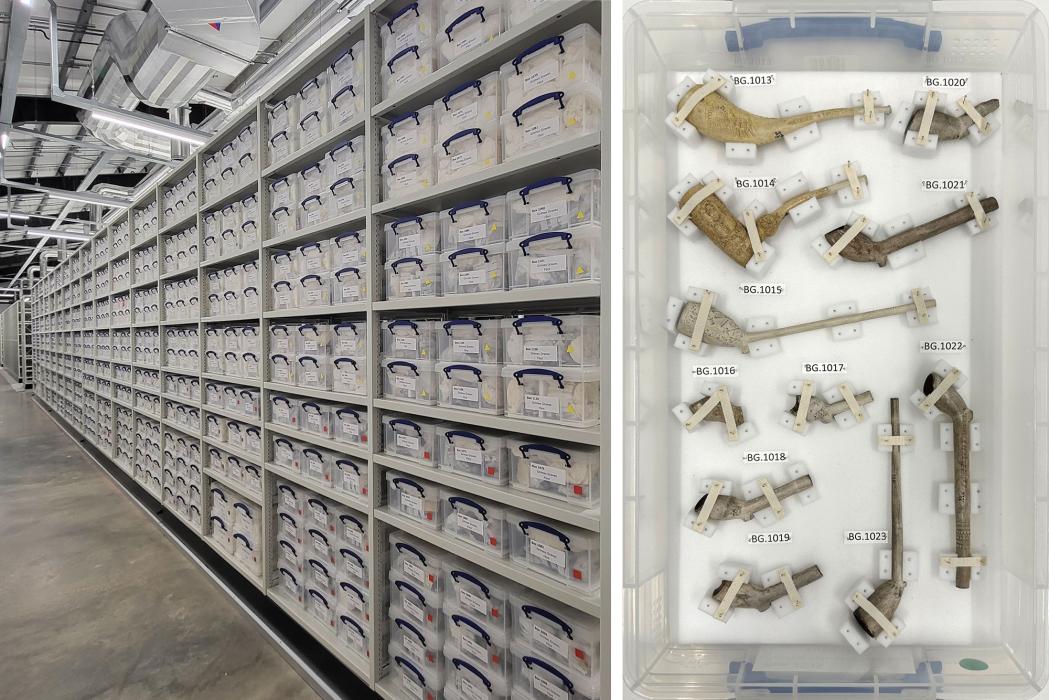
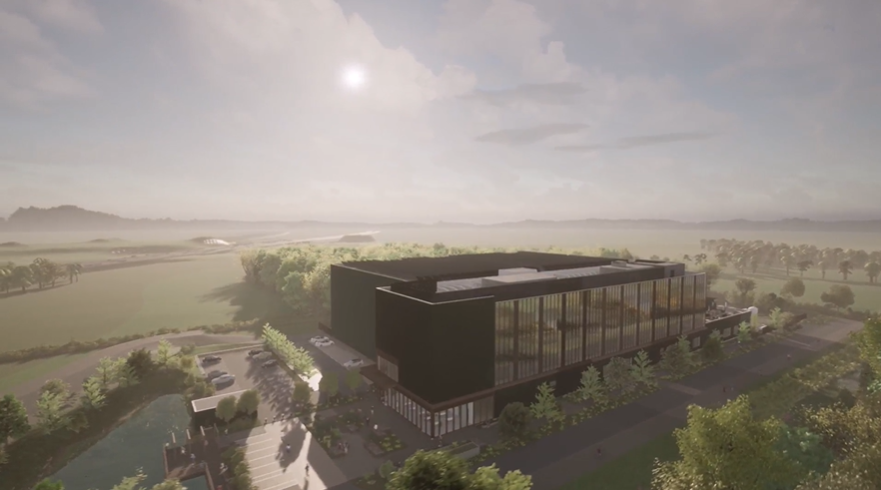
The Natural History Museum holds approximately 80 million specimens. The TVSP facility is designed to house up to 28 million of these. Planning permission has been secured (subject to final agreements).
Stategic Drivers:
- High-spec climate-controlled storage
- Large-scale biodiversity digitisation
- Expanded laboratory space
- Research scalability
- Long-term preservation
Strategic Significance
- TVSP as a biodiversity research node
- Institutional-scale digitisation infrastructure
- National-level collections decentralisation
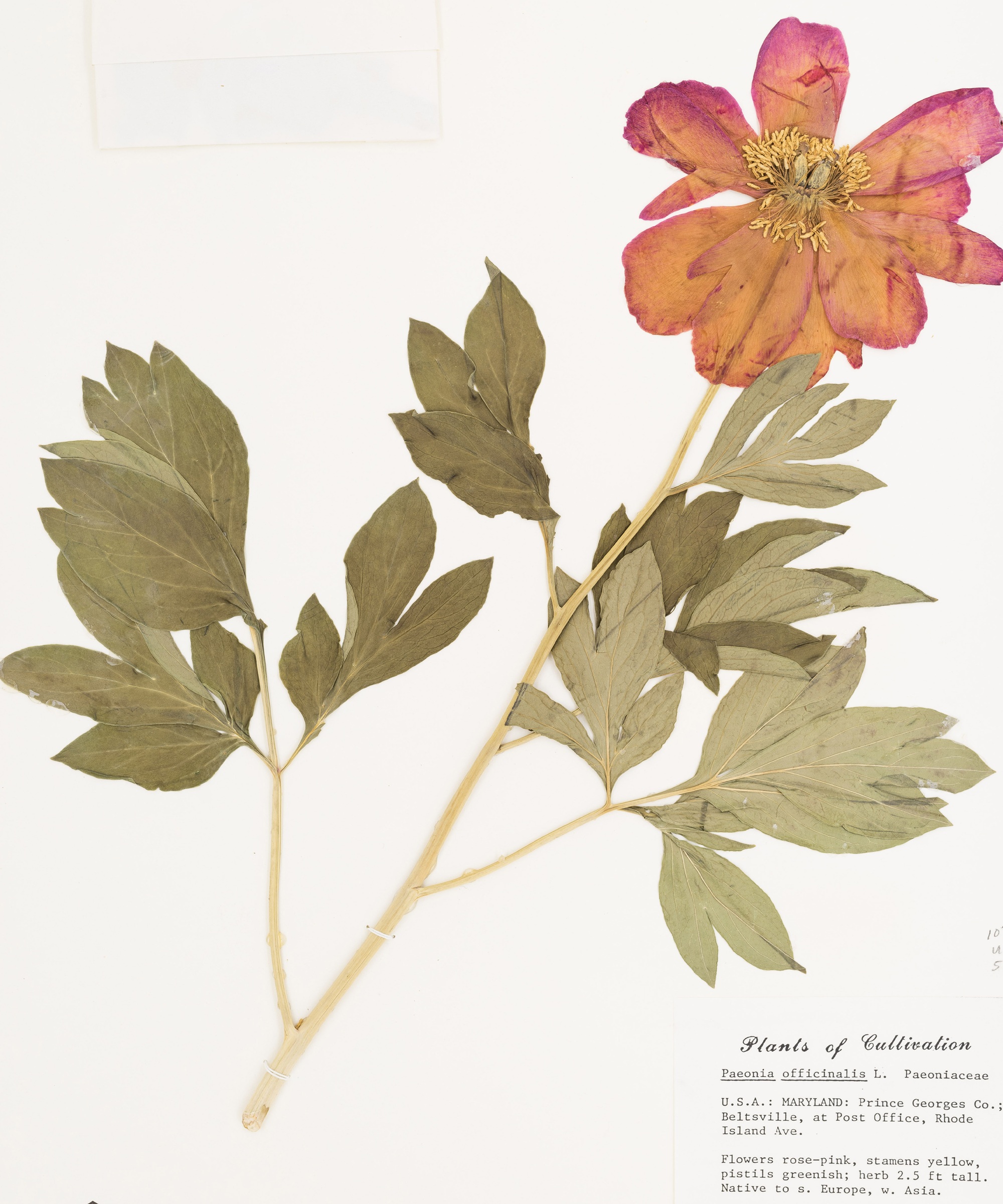
Kew’s herbarium contains millions of preserved plant and fungal specimens forming one of the world’s most significant botanical collections. Public engagement materials confirm TVSP as the preferred site for a purpose-built research facility.
Strategic Drivers
- Long-term preservation of botanical specimens
- Modern environmental control
- Research and postgraduate expansion
- Large-scale digitisation
- 50–100 year infrastructure planning
Strategic Significance
- Confidence in TVSP’s long-term research capacity
- Institutional movement beyond heritage estate constraints
- Infrastructure-first scientific planning
Across all three institutions, the pattern is clear. The British Museum has already delivered its TVSP through BM_ARC, supporting archaeological research and storage. The Natural History Museum has planning approval in place for a biodiversity and digitisation centre, reflecting its future scientific and collections strategy. Meanwhile, Kew Gardens has identified a preferred site focused on advancing herbarium facilities and botanical research.
TVSP is emerging as:
- A national collections infrastructure campus
- A decentralised research extension of London institutions
- A science-led preservation hub
- A 50–100-year institutional expansion platform
This is not speculative growth — it is evidenced by:
- Delivered Phase 1 (British Museum)
- Approved planning (Natural History Museum)
- Public engagement & project development (Kew)

Thames Valley Science Park represents a structural evolution in UK institutional strategy:
Historic estates remain cultural anchors.
Scientific infrastructure migrates to scalable research campuses.
The convergence of:
- British Museum
- Natural History Museum
- Royal Botanic Gardens, Kew
Establishes TVSP as one of the UK’s most significant emerging national collections and research hubs.
